Loading

Webflow SEO: My Process & Tips That Rank

Published
July 28, 2026
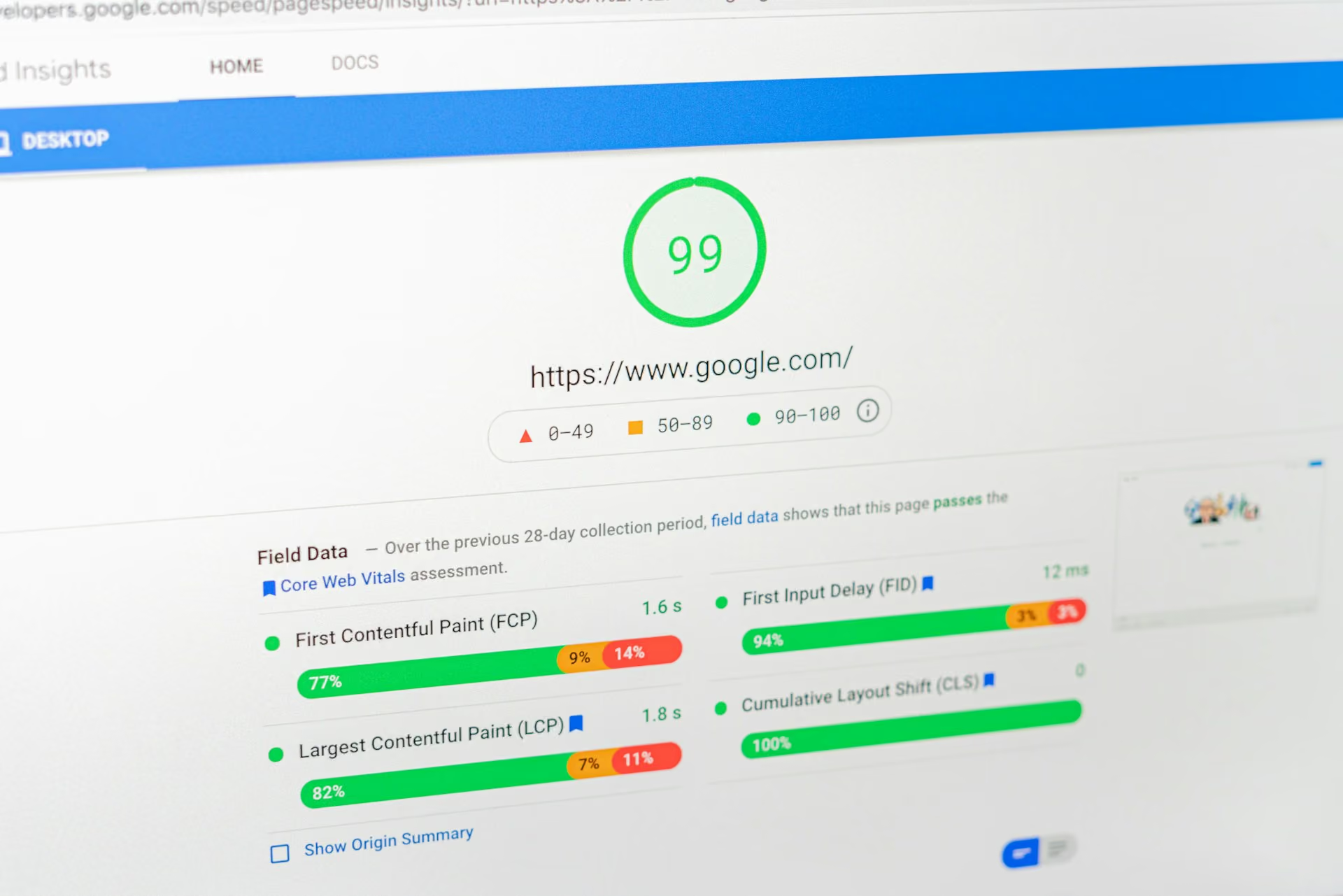
Mastering SEO as a Webflow Developer: My Process & Tips
Since 2019 I've built dozens of websites for clients worldwide, and Webflow SEO is baked into every one. Here's my process, in plain terms, so you can see exactly how I get sites ranking.
Setting up a style guide
I start with structure: I duplicate Finsweet's Client-First style guide and update typography, colours, spacing, and iconography for consistency. For class naming I use the BEM method (Block, Element, Modifier), which keeps the code clean and easy for anyone to maintain.
Image optimisation
Images heavily affect load time, so I download everything from Figma and compress it. Faster images mean faster pages — and speed is a ranking factor.
Crafting title tags
Title tags are key to being found on Google. I keep them concise, put the keyword first, and make them specific to each page.
Writing meta descriptions
I write meta descriptions of roughly 155–160 characters with relevant keywords — they don't directly rank you, but they lift click-through from search results.
Optimising OpenGraph images
For social sharing I use a 1200×630px image with alt text — good for both reach and accessibility.
One keyword per page
Each page targets a single primary keyword, with content built around it. This clarity helps Google understand exactly what each page is about — and avoids your own pages competing with each other.
Alt tags
Alt text describes images for users and search engines alike — vital for accessibility and image SEO.
The takeaway
Good Webflow SEO isn't a single trick; it's a dozen small things done consistently. As a Webflow SEO expert, I build all of this in from day one — so your site launches ready to rank, not waiting on a follow-up project. Want that for your site? Let's talk.